The Launch of OCRA: Oregon Collision Repair Shops Get a United Voice
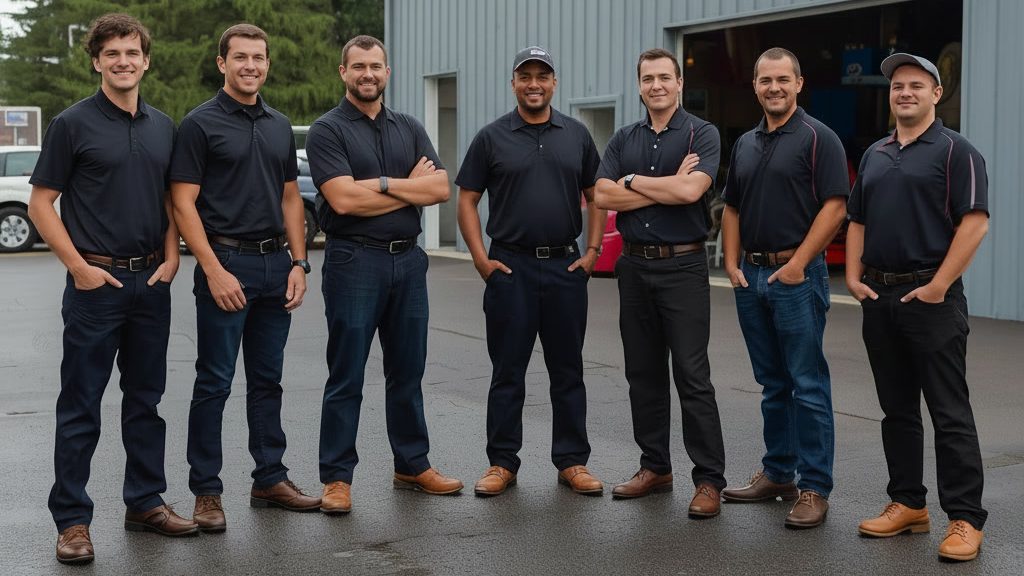
Today marks the official launch of the Oregon Collision Repair Association (OCRA), a nonprofit built by and for the independent collision repair shops that keep Oregon drivers safe on the road. From Roseburg to Salem, Eugene to Silverton, shop owners across the state have joined together under one banner to advocate for fair policy, raise repair standards, and make sure the people fixing your vehicle have a seat at the table. This is more than a website going live. It is Oregon’s collision repair community deciding to speak with one voice.
What Is the Oregon Collision Repair Association?
The Oregon Collision Repair Association is a statewide nonprofit that unites independent collision repair shops to advocate for fair legislation, promote safe and proper repairs, and share training and resources. OCRA gives Oregon shop owners a collective voice on issues like insurer steering and parts standards, while helping consumers understand their rights under state law after a collision.
OCRA was founded on a simple belief: a stronger, more connected industry benefits both repair professionals and the vehicle owners who rely on them. Independent shops across Oregon have long faced the same challenges alone, from navigating insurer relationships to keeping pace with rapidly changing vehicle technology like Advanced Driver Assistance Systems (ADAS) and manufacturer repair procedures. OCRA exists so no shop has to face those challenges by itself. The association is modeled after established state groups like the Washington Independent Collision Repair Association and the Auto Body Association of Texas, adapted specifically for Oregon’s shops, laws, and communities.
Who Is Behind OCRA?

OCRA is led by a volunteer board of working Oregon shop owners, managers, and industry educators. President Bob Knodel of Silver Creek Auto Body in Silverton leads the board, joined by Co-Vice President Michael Brockway of Dabler Auto Body in Salem, Secretary Lora Ashworth, Treasurer Loni Waltasti of Old Dominion Collision in Eugene, and Marketing Director Mercedes Wattenbarger of REV Auto Body in Roseburg.
These are not distant administrators. They are people who work with their hands and know the trade. Bob Knodel has served Silverton, Woodburn, Stayton, and Keizer drivers for more than 30 years. Michael Brockway began his career in 2000 as an auto body painter before returning to his family’s Salem shop as co-owner. The board also includes Mike Leib of Precision Body & Paint, April White of White’s Collision Service, and Alex Crays, the auto body and paint instructor at Salem’s Career Technical Education Center (CTEC), who is building the next generation of Oregon technicians. Together they bring decades of combined experience in repair, refinishing, ADAS calibration, and workforce development.
Why Does Oregon Need a Collision Repair Association Now?
Oregon needs a collision repair association because state law already protects consumers, but many drivers and shops do not know their rights or how to enforce them. OCRA educates the public about protections like ORS 746.280, supports shops facing insurer pressure, and advocates for policy that keeps repairs safe, transparent, and manufacturer correct across the state.
Oregon law is clearer than many people realize. Under ORS 746.280, an insurer cannot require you to use a particular repair shop as a condition of your claim, and the adjuster must tell you that you have the right to choose your own shop. When you pick a shop other than the insurer’s recommendation, the insurer generally cannot cap the cost of returning your vehicle to preloss condition for safety, function, and appearance beyond what your policy allows. Separately, ORS 746.292 requires that written estimates be provided on request and sets standards around original equipment manufacturer and aftermarket crash parts. These protections only work when drivers know they exist. Part of OCRA’s founding mission is making sure they do.
How Can Oregon Shops and Consumers Get Involved?
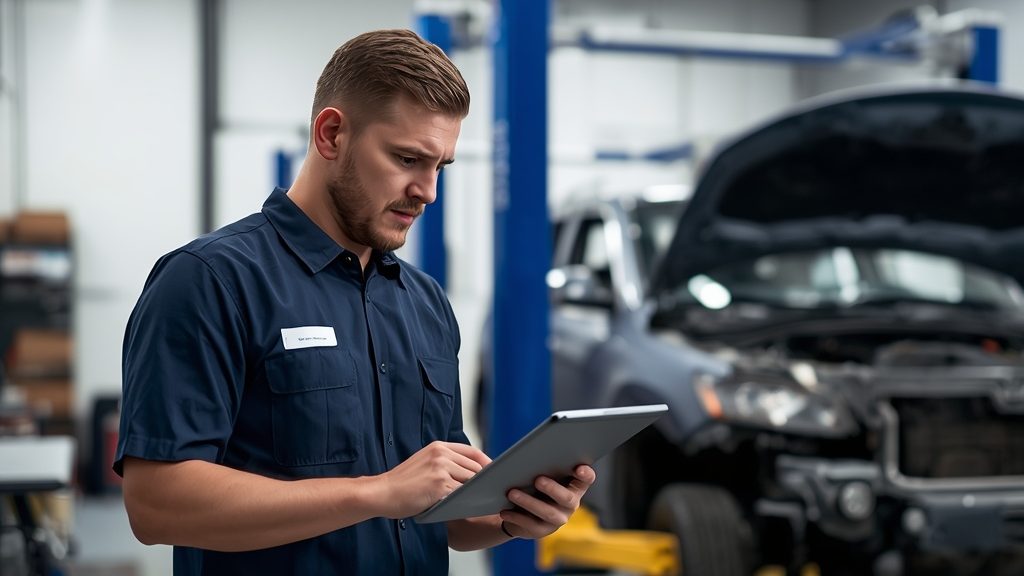
Oregon collision repair shops can get involved by becoming OCRA members, which connects them to advocacy, training, and a statewide network of professionals. Consumers can get involved by learning their repair rights, choosing certified shops, and filing a complaint with Oregon’s Division of Financial Regulation when they believe an insurer has crossed the line.
If you own or manage an Oregon collision repair shop, membership is the most direct way to add your voice. You can become a member of OCRA and join shops from across the state in shaping the association’s advocacy priorities. If you are a consumer, the best first step is understanding your rights and knowing where to turn when something feels off. OCRA’s legislative updates page tracks the bills and consumer protections that affect every driver in Oregon, and it points both consumers and shops to the correct complaint forms when steering or improper repairs come up.
The launch of the Oregon Collision Repair Association is a beginning, not a finish line. Membership will grow, the legislative work will deepen, and the resources available to Oregon shops will expand over time. But the foundation is now in place: a united, Oregon proud organization committed to safe repairs, fair treatment, and a stronger industry for everyone who drives, repairs, or relies on a vehicle in this state.